Correcting old permanent makeup: what can be done
Many clients come to me with permanent makeup from years ago that they no longer like: brows that have turned grey or orange, a shape that doesn’t flatter them, or lips that have lost their colour. Often there is a solution. Here’s what it looks like.
Why old permanent makeup changes colour
Pigments are made of several colours blended together. Over time, sun and skin renewal break each component down at a different rate. If a low-quality pigment was used, if it was placed too deep, or if the shade didn't suit your skin, what's left can shift:
- Grey, blue or greenish brows: the cool or black component is what remains.
- Red, orange or pink brows: the warm component is what remains.
- Dull or greyish lips with a harsh outline: the fill has faded but the liner hasn't.
What can be corrected
Colour
Many shades can be neutralised with a corrective pigment and then covered with the right colour. For example, a reddish tone is balanced with green- or olive-based pigments. It isn't magic: it works when the old colour has already faded enough.
Shape
If the old brow is thinner, shorter or slightly lower than the ideal shape for your face, it can be extended and redesigned into a new shape. If it's thicker or in the wrong place, it needs lightening first.
Lips
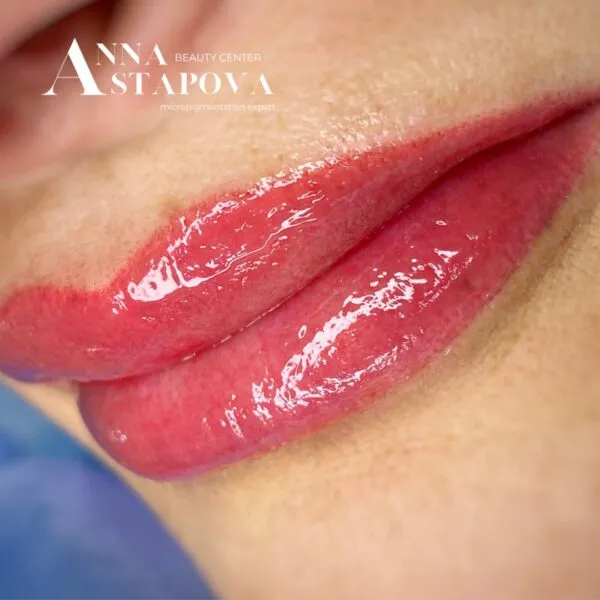
This is one of the cases I see most: lips whose colour has changed over the years, or with a heavy outline that looks dated. A new treatment can restore the colour and soften the lip-liner effect so everything looks even. Find out more about lip treatments in treatments.
When lightening or removal comes first
Not everything can be covered. The old pigment needs lightening before correction if:
- The work is very dark or very dense.
- The shape sits outside where the brow should be.
- There are several layers of previous work.
In those cases I'll tell you honestly that it's better to lighten it first with a removal treatment and then create the new design on a clean base. Covering something that's too dark only gives a darker result that's even harder to fix later.
How I assess a correction
Every correction is different, so it always starts with a free consultation. During it I:
- Look at the colour and depth of the old pigment in good light.
- Ask when it was done and whether you've had touch-ups.
- Draw the new shape on your face to see if it blends in what's already there.
- Explain how many sessions I expect and whether lightening is needed first.
It usually takes more than one session: the first neutralises and the second defines. The price is given after the assessment; for reference, see the price list.
How to avoid it happening again
Choose an artist with official training, who uses certified pigments and explains why she chooses each shade. I hold the official Professional Certificate IMPE0209 in Comprehensive Makeup and I'm accredited by the Spanish Micropigmentation Association; you can read more in About Anna. And look after your result: sun is the main reason colour shifts, as I explain in how long eyebrow permanent makeup lasts.
Frequently asked questions
Can grey or red brows be corrected?
Often, yes, by neutralising the tone with a corrective pigment and covering it with the right colour, as long as the old work isn’t too dark.
Does it always need removal first?
No. Only when the old pigment is very dark or dense, or the shape is in the wrong place.
How many sessions does it take?
It depends. Usually more than one: one to neutralise and one to define. I’ll give you a clear plan at the free consultation.
Do you correct work done elsewhere?
Yes. It’s assessed like any other case: we look at the pigment and I tell you honestly what can be achieved.
You may also like
How long does eyebrow permanent makeup last? What affects it and how to make it last
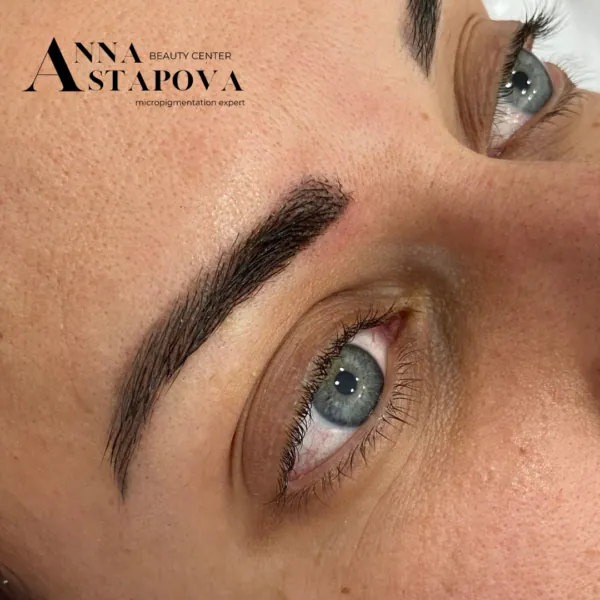
Permanent eyebrows usually last 1–2 years. What shortens their life, how to care for them and when to book a touch-up.
Read article
Elastin does not come back, but we can help preserve it
What elastin is, why skin loses firmness and which routine helps preserve it: sunscreen, antioxidants and retinol.
Read article
Microblading vs powder brows: which one suits your skin?
Microblading (hair strokes) or powder brows? How they look, how long they last and which technique works best for oily, dry or combination skin.
Read article