
Lip blush aftercare: what to expect, day by day
Lips heal quickly, but they change a lot in just a few days. Knowing what’s normal at each stage saves you a lot of worry and helps the colour heal evenly.
Before we start: two important notes
If you have ever had cold sores, tell me at the consultation. Lip treatments can trigger an outbreak, so it's worth speaking to your doctor beforehand. And remember this is a general guide: on the day I'll give you aftercare instructions tailored to you.
Day 1: bold colour and some swelling
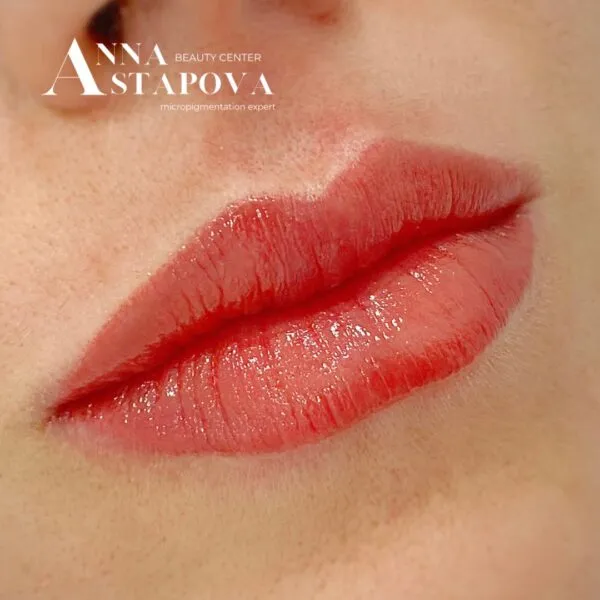
Right after the treatment your lips look darker and brighter than they will end up, and they're usually a little swollen. This is completely normal. On day one:
- Gently dab them clean with gauze dampened with water. Don't rub.
- Apply a thin layer of the cream I give you.
- Drink through a straw and avoid very hot, spicy or salty food.
- A cold compress wrapped in gauze helps bring the swelling down.
Days 2–3: tightness and dryness
The swelling goes down and your lips feel tight and dry. Don't use any balm I haven't recommended, and avoid kissing, vigorous brushing around the mouth and makeup. Keep up the gentle cleansing and the cream.
Days 4–7: peeling
This is the stage that worries people most, and the most important one. The top layer flakes off in fine, thin pieces. Don't peel or bite them: if you do, you pull the pigment out and end up with lighter patches. Let them fall naturally and keep moisturising as instructed.
Days 7–14: the colour "disappears"
Once the flakes are gone, your lips can look very pale, as if the colour has gone. Don't worry: the pigment is still there, under a layer of new skin that's still cloudy. Over the following days the shade gradually comes back.
Weeks 3–4: the real colour appears
The skin settles and the true colour shows through. Between weeks 4 and 6 you see the final result, which is why the touch-up is at 30–40 days. It's included in the price and lets me even out the shade and refine the outline wherever needed.
Choosing your lip colour
The right shade is half the result. At the consultation I take into account your natural lip colour (the pigment blends with it), your skin's undertone (warm undertones usually suit coral and peach, cool ones pink and berry) and the look you want, from a subtle refresh to a soft lipstick effect. Remember that the healed colour is always softer than on day one.
What to avoid for the first two weeks
- Direct sun, sunbeds and tanning.
- Swimming pools, the sea, saunas and steam rooms.
- Makeup, lipstick and scrubs on the area.
- Dental treatment without telling your dentist (keeping your mouth open and friction affect healing).
- Touching your lips with unwashed hands.
After healing
Once healed, protect your lips from the sun with an SPF lip balm. It's the single best way to make the colour last. If the shade looks softer after some time, a maintenance session brings it back without starting from scratch. See the prices.
Have old lip permanent makeup?
If you had your lips done years ago and the colour has changed or the outline looks harsh, it can often be improved. I explain how in correcting old permanent makeup. And to see how lip treatments work at my studio, visit treatments.
Frequently asked questions
How long does lip blush take to heal?
The visible healing takes 7 to 10 days. The final colour shows between weeks 4 and 6.
Is it normal for the colour to fade after a week?
Yes. After peeling, lips look very pale for a few days; the colour comes back as the new skin settles.
When can I wear lipstick again?
Not for the first two weeks. Once healed, you can wear it as usual.
What if I get cold sores?
Tell me at the consultation. It’s worth speaking to your doctor before treatment, as it can trigger an outbreak.
You may also like
Correcting old permanent makeup: what can be done
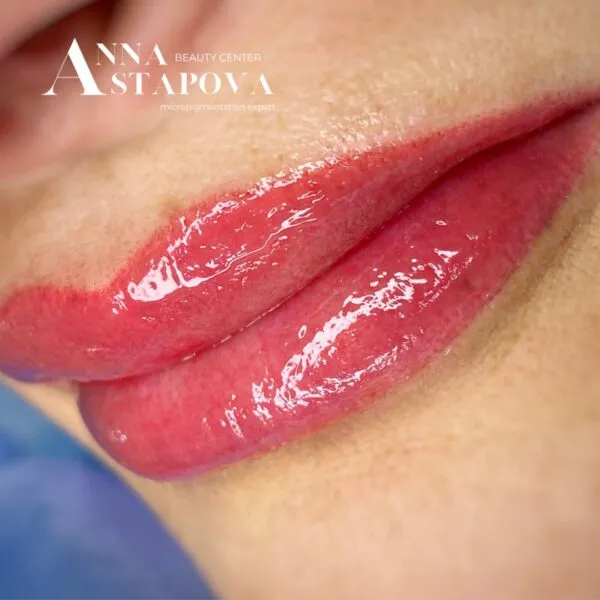
Grey, red or badly shaped brows and lips that have changed colour: what can be corrected, when lightening comes first and how each case is assessed.
Read article
Elastin does not come back, but we can help preserve it
What elastin is, why skin loses firmness and which routine helps preserve it: sunscreen, antioxidants and retinol.
Read article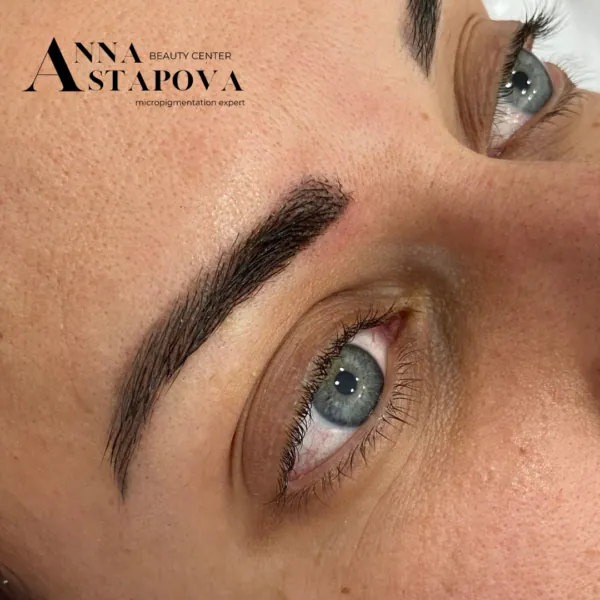
How long does eyebrow permanent makeup last? What affects it and how to make it last
Permanent eyebrows usually last 1–2 years. What shortens their life, how to care for them and when to book a touch-up.
Read article